In recent years, remarkable advances in synthetic biology have emerged, fundamentally altering the landscape of bioengineering. This innovative field operates at the intersection of technology and biology, allowing researchers to design and construct new biological parts, devices, and systems or to re-design existing, natural biological systems for useful purposes. As we explore the developments in synthetic biology, it becomes evident that these breakthroughs are not merely technological feats, but pivotal forces that promise to reshape industries, improve human health, and contribute to environmental sustainability. It is with great respect that we delve into the specifics of how synthetic biology is shaping the future of bioengineering.
Understanding Synthetic Biology
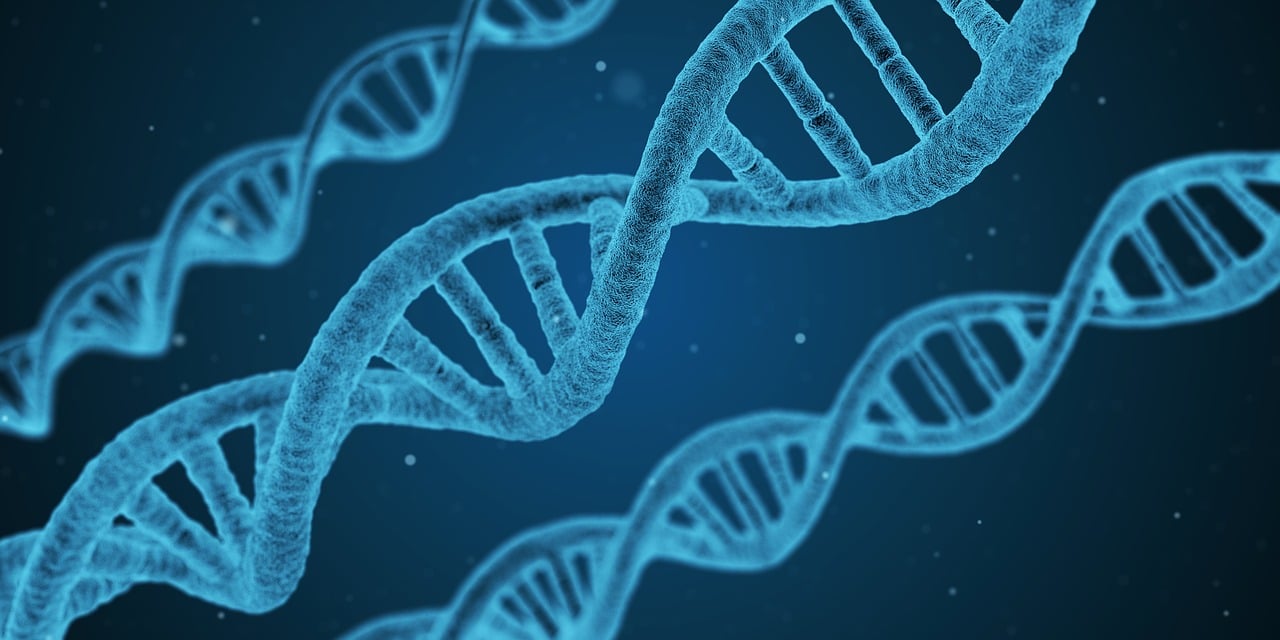
At its core, synthetic biology combines principles from biology, engineering, and computer science. This interdisciplinary approach enables scientists and engineers to create genetic circuits, metabolic pathways, and whole organisms with functionalities designed to meet specific needs. The concept draws inspiration from traditional genetic engineering but elevates it to a level where biological systems can be designed with precision akin to that of electronics. Thus, synthetic biology provides a toolbox of techniques and technologies that allow for significant customization and optimization of living systems.
One of the most profound aspects of synthetic biology is its potential to generate sustainable solutions that address pressing global challenges. From producing biofuels to enhancing food security, the applications of synthetic biology are countless. With traditional agricultural and industrial practices becoming increasingly unsustainable, there is an urgent need for novel approaches that are environmentally friendly and efficient. Synthetic biology holds the key to innovating new methods that could replace conventional practices, thus paving the way toward a more sustainable future.

Advancements in Biotechnology
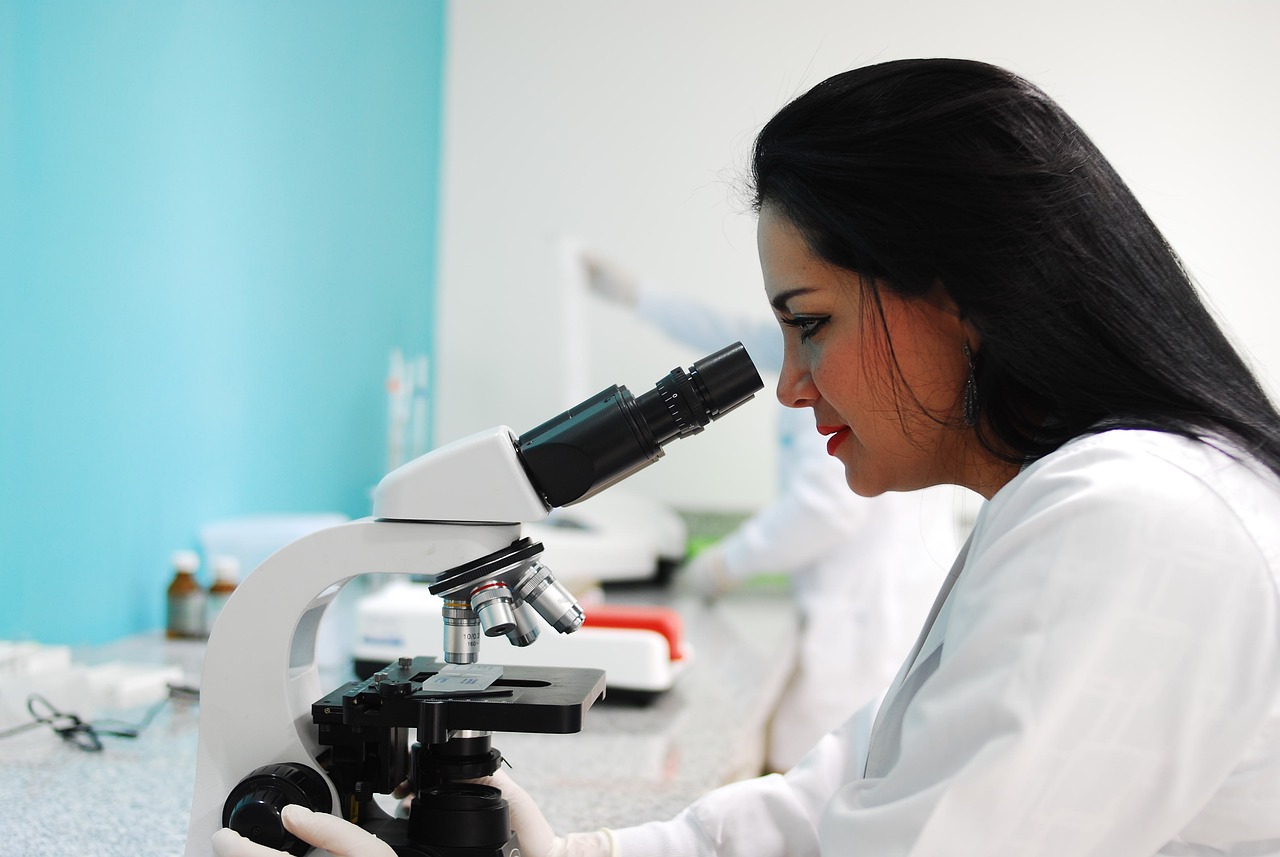
In the realm of biotechnology, synthetic biology has led to advancements that impact diverse fields, including medicine, agriculture, and environmental science. Researchers have successfully engineered microorganisms to produce therapeutic compounds, including antibiotics and vaccines, thereby opening new avenues for drug discovery and development. Thanks to techniques such as CRISPR-Cas9, gene editing has become immensely more precise, allowing scientists to modify genes with pinpoint accuracy. This technology holds immense promise for curing genetic disorders at their source, much to the anticipation of the scientific community.
Moreover, the development of synthetic cells presents exciting possibilities. These engineered cells are designed to carry out specific functions, and they hold potential in targeted drug delivery, biosensing, and even environmental remediation. Encapsulating therapeutic agents within synthetic cells for controlled release promises to enhance treatment efficacy while minimizing side effects for patients—a clear demonstration of how synthetic biology is rewriting the rules of medicine.
Innovations in Agriculture
In agriculture, synthetic biology has the potential to revolutionize food production. Genetic modifications in crops have long been utilized to enhance yield, resistance to pests, and adaptability to environmental stressors. However, advancements in synthetic biology allow us to take this to a new level through the engineering of organisms with improved photosynthetic processes or nitrogen fixation capabilities. Such enhancements can significantly reduce the reliance on chemical fertilizers and pesticides, thus alleviating the environmental burden caused by conventional farming practices.
Additionally, synthetic biology enables the creation of bio-based alternatives to conventional agricultural practices. This includes engineering microorganisms capable of converting agricultural waste into valuable resources such as biofuels and bioplastics. By harnessing these biological processes, we can move toward a circular economy where waste is minimized and resources are utilized more efficiently, addressing both economic and environmental concerns.
Contributions to Environmental Sustainability
Environmental sustainability is another critical area where synthetic biology is making considerable strides. The current climate crisis demands urgent action, and synthetic biology offers innovative solutions to mitigate its effects. Bioremediation, for instance, is a process where microorganisms are engineered to detoxify polluted environments, such as land and water. By optimizing these organisms to break down pollutants more efficiently, synthetic biology provides an impactful means to restore ecosystems that have been damaged by industrial activities.
Furthermore, synthetic biology plays a vital role in carbon capture technologies. Innovative microbial pathways are being developed to enhance the ability of organisms to absorb carbon dioxide from the atmosphere, creating a potential method to combat climate change. These engineered solutions aim to create a balance between human activity and the natural environment, promoting a healthier planet for future generations.
The Modern Toolkit: CRISPR and Beyond
One cannot discuss synthetic biology without highlighting the transformative role of CRISPR technology. This remarkable gene-editing tool has democratized genetic engineering, making it accessible to researchers and innovators worldwide. With its high efficiency and ease of use, CRISPR allows for rapid experimentation and adaptation in synthetic biology, propelling advances in various applications.
In addition to CRISPR, other technologies, such as DNA synthesis and assembly techniques, have emerged, enabling researchers to create entire genes or even synthetic genomes from scratch. These innovations facilitate tailored biological designs, fostering advancements in various sectors, from healthcare to renewable energy. As researchers continue to explore these technologies, we can expect a surge of groundbreaking applications that enhance our understanding of biological systems.
Ethical Considerations and Public Perception
The rapid advancements in synthetic biology come hand-in-hand with ethical considerations that warrant special attention. As the lines blur between naturally occurring organisms and engineered constructs, debates surrounding bioethics, biosafety, and regulatory frameworks have become increasingly significant. Addressing these concerns ensures that the benefits of synthetic biology can be realized responsibly and sustainably.
Public perception of synthetic biology remains varied, with enthusiasm met by skepticism. While many see it as an opportunity for innovation and solutions to global challenges, there are legitimate worries about potential risks associated with genetically modified organisms and environmental implications. It is crucial to engage the public in discussions surrounding these topics, creating transparent dialogues that foster trust and understanding regarding synthetic biology’s impact.
The Future of Synthetic Biology
As synthetic biology continues to advance, we can expect its influence to grow within the tapestry of global biotechnology. Collaborative efforts among scientists, policymakers, and industry leaders will be pivotal in navigating the complexities of this burgeoning field. It is essential to cultivate an ecosystem where synthetic biology can thrive, promoting research and development while ensuring ethical practices are upheld.
Moreover, education plays a crucial role in shaping the future trajectory of synthetic biology. Enhancing public and educational engagement will help foster younger generations' interest in the sciences. Nurturing talent in synthetic biology fields will stimulate innovation and drive further advances, ultimately helping humanity to tackle the pressing challenges of our time with adept solutions.
Conclusion
In summary, advances in synthetic biology are shaping the future of bioengineering in transformative ways. From innovation in medical therapies to the enhancement of agricultural practices and environmental sustainability, the potential applications are vast and promising. As we steer through this rapidly evolving landscape, it is incumbent upon all stakeholders to consider the ethical implications and public concerns related to these technologies. With careful stewardship and a commitment to responsible practices, synthetic biology can indeed be a powerful force for good, fostering a sustainable and healthier planet for all.