Bioengineering has emerged as a crucial discipline at the intersection of biology and engineering, providing innovative solutions to some of the most pressing challenges in sustainable agriculture. It integrates biological principles with technology to enhance agricultural productivity, reduce environmental impact, and ensure food security. The applications of bioengineering in sustainable agriculture are vast, ranging from genetic modification of crops to the development of bio-based fertilizers and pest control methods. This blog will elaborate on several key areas in which bioengineering is transforming how we approach agricultural practices, fostering sustainability while meeting the needs of a growing global population.
Genetic Modification for Enhanced Crop Resilience
One of the most significant applications of bioengineering in agriculture is the genetic modification of crops. Traditional breeding methods can be time-consuming and imprecise, raising the need for faster and more reliable alternatives. Through techniques like CRISPR and recombinant DNA technology, scientists can transfer specific genes that provide desirable traits such as drought resistance, pest resistance, and enhanced nutritional content into crop varieties.
This not only leads to higher yields but also helps crops to withstand adverse environmental conditions. For instance, drought-resistant varieties of maize and wheat have been developed, allowing farmers to maintain productivity even during periods of low moisture. These advancements are essential in combating the effects of climate change and ensuring food security in vulnerable regions.
Biopesticides and Sustainable Pest Management
Another remarkable application of bioengineering is the development of biopesticides. Traditional chemical pesticides can harm beneficial organisms and contribute to environmental degradation. Bioengineers are now focusing on creating biopesticides derived from natural organisms, such as bacteria, fungi, and plants, which target specific pests without affecting non-target species.
For example, the bacterium Bacillus thuringiensis produces proteins that are toxic to certain insects. By incorporating these proteins into crops, farmers can significantly reduce the use of synthetic chemicals, leading to a safer and more environmentally friendly pest management approach. These methods not only reduce the chemical load on ecosystems but also promote biodiversity, which is vital for healthy agricultural systems.
Advanced Soil Management Techniques
Soil health is paramount for sustainable agriculture, and bioengineering contributes significantly through the enhancement of soil microbiomes. By using microbial inoculants, farmers can enhance soil fertility and improve nutrient uptake by plants. These inoculants consist of beneficial bacteria and fungi that are specifically selected for their ability to fix nitrogen, enhance phosphorus availability, and stimulate plant growth.
Additionally, bioengineers are developing biochar, a carbon-rich product created from organic materials through pyrolysis, which not only improves soil quality but also aids in carbon sequestration. Incorporating biochar into the soil can enhance its water retention capabilities while simultaneously reducing greenhouse gas emissions. This multifaceted approach helps to create a more resilient agricultural ecosystem.
Bioengineering in Aquaponics and Hydroponics
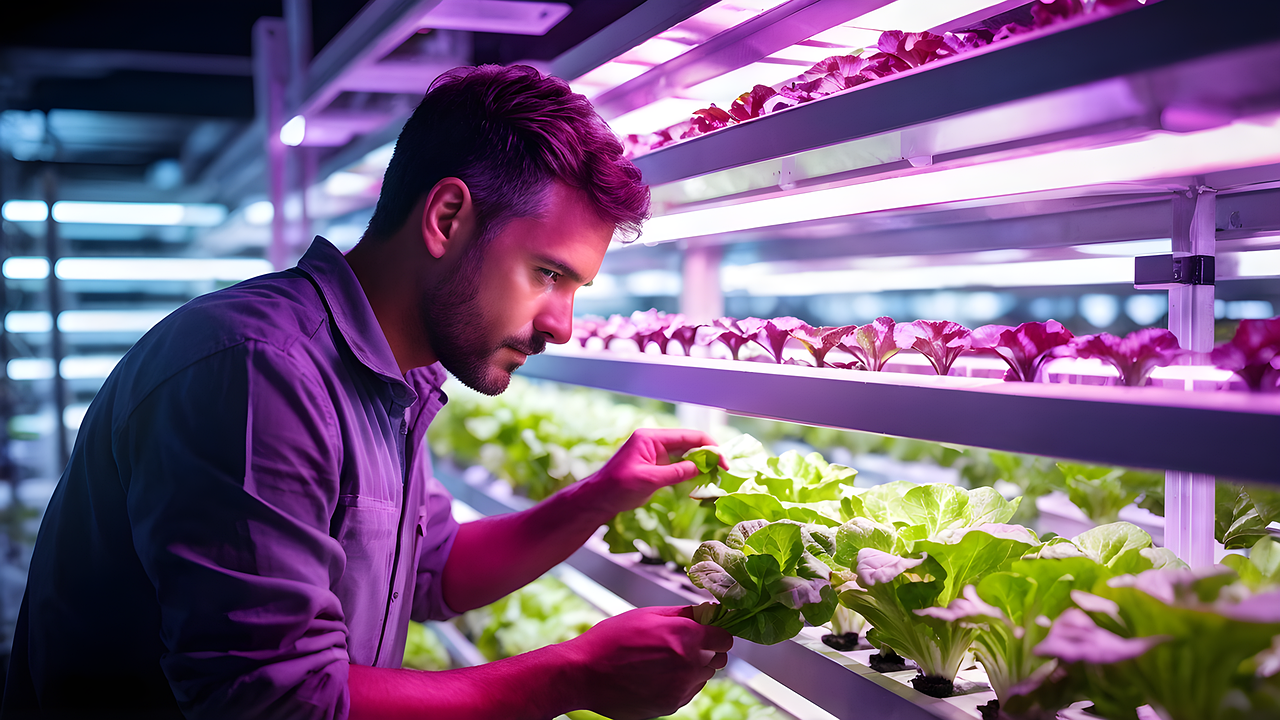
Aquaponics and hydroponics have gained popularity as sustainable agricultural practices that promote efficient resource use and minimal environmental impact. Bioengineering plays a vital role in optimizing these systems by improving nutrient delivery mechanisms and enhancing the growth rates of the crops involved. Through precise control of nutrient levels, pH, and water chemistry, engineers can create optimal conditions for plant and fish health.
For instance, genetically engineered fish species may be used in aquaponics systems to increase growth efficiency and disease resistance. At the same time, bioengineering helps address issues such as water purification and waste recycling in these integrated systems, making them highly sustainable options for food production in urban environments.
Production of Bio-based Fertilizers
The production of chemical fertilizers has long been associated with environmental issues, including soil degradation and water pollution. In response to these challenges, bioengineers are exploring the production of bio-based fertilizers derived from organic waste. These fertilizers are not only environmentally friendly but also enriched with essential nutrients that promote healthy crop growth.
For example, engineered microorganisms can enhance the breakdown of organic matter in compost, thereby increasing nutrient availability to crops. Such advancements can help close nutrient cycles and reduce reliance on synthetic fertilizers, contributing to the sustainability of agricultural practices.
Microbial Fuel Cells and Energy Generation
In an innovative approach to sustainable agriculture, microbial fuel cells (MFCs) are being explored as a method for energy generation from organic waste produced in agricultural systems. These cells utilize naturally occurring microorganisms to convert organic matter into electrical energy, creating a dual benefit for farmers: waste management and renewable energy production.
By implementing MFCs on farms, farmers can potentially power their operations while simultaneously addressing waste disposal issues. This technology not only reduces energy costs but also promotes circular economy principles within agricultural practices, ultimately driving sustainability forward.
Climate Resilient Farming Practices
As climate change continues to pose challenges to agriculture, bioengineering is at the forefront of developing climate-resilient farming practices. This involves creating crops that can better withstand climate-related stresses such as extreme temperatures, flooding, and salinity. Enhanced phenotyping techniques allow for the rapid screening of plant varieties to identify those best suited for a changing climate.
Moreover, bioengineering is also being used to develop precision agriculture practices that leverage technology to optimize farming operations. Utilizing data analytics, farmers can make informed decisions regarding irrigation, fertilization, and pest management, minimizing resource consumption while maximizing crop yield.
Waste Reduction and Biomass Utilization
Reducing waste in agriculture is paramount for sustainability, and bioengineering contributes significantly in this regard. By converting agricultural waste into valuable products such as biofuels, bioplastics, and other biomaterials, bioengineers are transforming what was once considered waste into a resource that can drive economic growth while minimizing environmental impact.
For example, through genetic engineering, certain bacteria can be modified to efficiently convert agricultural residues into bioethanol, providing a renewable energy source. Such practices not only promote waste reduction but also contribute to the sustainability of energy production within agricultural systems.
Food Processing and Preservation Innovations
Bioengineering extends its reach beyond field production to food processing and preservation. With food waste being a significant issue globally, bioengineers are developing innovative solutions to extend the shelf life of produce. Techniques such as bio-preservation, which utilizes natural or controlled microbial processes to inhibit spoilage, can significantly reduce food waste.
Additionally, bioengineered enzymes are being examined for their ability to enhance food preservation methods, improving safety and quality while reducing the need for chemical preservatives. These technological advancements play a crucial role in making the food supply chain more sustainable.
Community Engagement and Education
For bioengineering applications in sustainable agriculture to be successful, community engagement and education are paramount. Farmers, agricultural workers, and local communities must be informed about the benefits and practices of bioengineered solutions. Through workshops, extension services, and collaborative projects, bioengineers can build relationships with stakeholders and adapt their technologies to suit local conditions and needs.
This collaborative approach fosters trust and encourages the adoption of sustainable practices in farming, which is vital for addressing the global challenges posed by food security and climate change. Education also empowers communities to engage in sustainable agricultural practices, ensuring that solutions are culturally acceptable and environmentally sound.
Regulatory and Ethical Considerations
As with any emerging technology, bioengineering in agriculture presents various regulatory and ethical considerations. Ensuring the safety of bioengineered products through rigorous testing and regulatory frameworks is essential for public acceptance. Governments and organizations must develop sound policies that strike a balance between fostering innovation and protecting public health and the environment.
Moreover, ethical questions related to genetic modification, biodiversity, and access to technology must be addressed to ensure that the benefits of bioengineering are distributed equitably. Engaging with diverse stakeholders can help inform policies that are both scientifically sound and socially responsible.
The Future of Bioengineering in Sustainable Agriculture
The future of bioengineering in sustainable agriculture appears promising, with continual advancements leading to innovative solutions that can significantly impact global food systems. As technology evolves, the potential for bioengineering to address complex agricultural challenges will only continue to grow. Moreover, integration with other scientific disciplines, such as information technology and environmental science, can catalyze new breakthroughs that further advance sustainability in agriculture.
In conclusion, the applications of bioengineering in sustainable agriculture hold immense potential for improving crop resilience, enhancing pest management, and promoting sustainable practices. As these technologies continue to evolve, they will play a crucial role in addressing the multifaceted challenges facing agriculture today. With careful consideration of ethical and regulatory aspects, bioengineering can contribute significantly to creating a more sustainable and food-secure world for future generations.